text
links
Showing posts with label players. Show all posts
Showing posts with label players. Show all posts
Friday, 4 November 2022

Tuesday, 21 September 2021
Fitting Rugby training into your life
Fitting training and playing into your busy schedule

Do Not be Like This
Chances are that if your anything like the top rugby players , you are near enough obsessed with your training, nutritional intake and new ways of building, muscle strength etc ... Also , if you are like me, you will have noticed a bit of a dilemma.
You know you need to concentrate and spend time on every area of your training, to produce as much muscle growth as possible, but how can you do this and go to work or school and socialise as well ? A seemingly impossible task to do effectively, its either your training or your life.
Well this article is to show you. from my experience how you can have the best of both worlds.
Training:
Organise your training from what you know and have read in magazines ( The seven Secrets to Success is a very good starting point). Keep your training frequency between two and four session weekly. Try to keep each strength training session to around 60 minutes . ( And I don’t mean rushing through thirty exercises. Choose 10 -12 sets and allow adequate rest time between sets.
Plan your meals:
Decide what the nutritional make-up of each meal is going to be, and how many meals you want. When buying your food don’t be tempted by all the doughnuts, chocolate , fatty burgers and the like. But don’t ignore them completely. Work in one cheat day a week (only one, mind.) Where you don’t stick to your diet and eat the foods you really like, but aren’t to good for you. (Ensure this cheat day is not on a training day . Something I neglected to think about in my early days but it is important). The key to this cheat day is to work MODERATION into you equation. When you think about it , moderation is the key to bodybuilding (apart from eating 'good ' food, which is essential. ) Allowing one cheat day a week gives your taste buds a break , and also tricks your metabolism to prevent it slowing down.

Eating properly:
If your anything like me (and I am sure you are) You'll be needing around six meals a day.
The amount of food you have at each meal varies on your training and size. Experiment to find the correct amount so you aren't getting too much fat around your midsection,
You'll want to see those abs ! But remember to increase your calories as you gain lean weight, otherwise you'll hit a plateau and stop growing.
Recuperation and Recovery

You should have worked your rest days into your training schedule, but you also need to allow for at least eight hours of sleep a night. No midnight feasts, fumbling , staying up to watch TV or anything like that. When you sleep is when you grow, so don’t deny your body what it needs.!
Now, how do you fit this into your working (and partying) lifestyle? Easy , just organise everything. Do you remember the timetables you had at school and the schedule at work that you try your best to avoid. Setting specific times for everything is the best way to start. Like your exercise technique, once you get good at it, you'll know your limits and we'll be able to 'modify ' things. But remember moderation, not too much now. Too much enthusiasm kill all gains in bodybuilding, contain it and look forward to your training.
Rest days: Planning Your Rest

When you train is up to you. Some people prefer to do it in the morning, some in the evening, or if your short on time try an intensive session at lunchtime.
One thing that I always do is ensure that my two days rest are at the end of my training cycle ie, the weekend.
That way you get everything done in the week , and can spend the weekend with friends and family.
Don't forget to eat:

Have set times to eat. This is extremely important. Always have your breakfast, and eat every 2-3 hours. The way I do it, is to take a protein or meal replacement shake and maybe a roll to have mid-morning and mid-afternoon at work (or college) .
Why not take your lunch with you if you know your going to be tempted by what other people ar having. When you use these meal replacement supplements for your extra meals, you don’t even need to take a 15minute break.
How long does it take you to drink a 500ml shake and munch on half a roll? probably less time than it takes you to go to the toilet.
Dont be left in the lurch:
When travelling, for either work or play, don’t let yourself be without food or a workout kit, You never know if the car will breakdown or you get stranded somewhere or work requires extra commitments abroad. Don’t be afraid to take meals and workout kit with you . This little survival pack could prevent you body from losing hard earned muscle tissue, due to having no food around or not being able to train, You 'll thank me for this advice, when it happens to you.
Don't let others drag you down:
Before I carry on, if you have'nt got a girlfriend or spouse, you are already half way there. If you have , get rid of them quickly ! No , that is a bit drastic. Just try and get them to understand that you take your training seriously ( that its probably one of the reasons they were attracted to you in the first place.) and let them know your training schedule. On saying that, if they've planned a big surprise for you, don’t stand them up to go and train. Enjoy yourself . But the next day go into the gym and do yesterday's workout with even more intensity.
The same goes for recuperation . One day a week where you go out latd and let your hair down wont hurt too much. It will have an effect, but what do you want to be? a muscle head with no friends, or someone who has everything - A beautiful body and a great life ?
Alcohol - The muscle killer:

I'd just like to add a note here on alcohol. Now an alcoholic beverage may taste heavenly, but this can be one of the most detrimental substances you can give your body . Drugs are even worse, and I'd hope everyone knows that taking drugs is dangerous and will wreck your body anyway. Well back to alcohol. unit a day is too much.
What I would recommend you go teetotal, but not many people I know (including me) are willing to make that sacrifice. Instead, have a few pints when you have your days off. There is no way around this one, the more Alcohol you drink the less gains you'll make, you make the choice!.
Don't get into a mess:
Don't get into a panic about everything you have to remember, Once you write down what you need to do in a training diary or log, you'll find it far easier to organise and plan everything. My tip is to buy a little A5 hard bound paper book or pad and use it as a log, unless you can find a ready make one that suits your needs. A training log is very important.
It lets you keep track of your workouts so you know what you have to do in your next session ..Also when you're starting out, keeping a log of your food intake is quite helpful. When you have doe it for a few months, you instinctively know what you need to eat, but when you're new, it can help a great deal.
Last but Not Least
A final note: Think of your life as a pie. Having seven or eight different pieces, Training, work, girlfriend or spouse, friends, etc. A bit of organisation goes a long way. If you have got the dedication to train, spending some time organising yourself will make you realise your goals, and have time for everything else in your life.

http://rugbyacademy.org.au/fitting-rugby-training-into-your-lif/
Hypertrophy Training - Weeks 1 to 3
What is Hypertrophy
Muscle hypertrophy involves an increase in size of skeletal muscle through a growth in size of its component cells.Two factors contribute to hypertrophy:
Factor 1: sarcoplasmic hypertrophy, which focuses more on increased muscle glycogen storage; Factor 2: and myofibrillar hypertrophy, which focuses more on increased myofibril size. If you need to know more then ask wikipedia The bottom line is Hypertrophy is the bodies ability to get bigger in its muscle groups when weight or strength training - and this includes bodyweight training is applied to this muscle groups- To achieve this you need to work hard and eat hard - Protein is required to build - A simple statement but if you are not eating the correct foods m then you will not build. (read more on that here) Before you start on A hypertrophy program make sure you have completed the basic program to get used to lifting specific weights and your lifting technique is great and correct. Here is your program ( two parts over 6 weeks)Running the Program
There are several sessions - Upper body - has both use and Pull exercises , Lower body exercises and Combination sets - Your aim is to look at each and decide in what order they are going to be done - There is scope for 4 days a week down to 2 days a week - 3 days is ideal. Two days a week - Split Upper body and lower body sessions into the two days and add the combined if time permits Three days a week - Complete Two days of Upper body and one of lower body along with combined (same day as lower) Four Days a week - two of upper , two of lower and add combined sessions on one of the daysWeeks 1 to 3


http://rugbyacademy.org.au/hypertrophy-training-weeks-1-to-3/
Monday, 10 May 2021
Developing Your One Repetition Maximums
Developing Your One Repetition Maximums
Start by determining your 1 rep max (RM) for a muscle. That's the maximum amount of weight you can lift for only 1 rep (that will be different for each muscle group and will change over time). Use that number to determine progression of weight. Note: As strength builds, your 1 RM will change. Adjust weight accordingly throughout each workout.Sample 12-Week Training Plan For Strength
Try this rep scheme on core moves like bench press, squat, and deadlift during your workouts to build more muscle and strength.- Week 1 (Load): 2x10 reps at 60% 1RM
- Week 2 (Load): 3x10 reps at 65% 1RM
- Week 3 (Unload): 3x10 reps at 60% 1 RM
- Week 4 (Load): 3x10 reps at 70% 1 RM
- Week 5 (Load): 3x5 reps at 70% 1 RM
- Week 6 (Load): 3x5 reps at 75% 1 RM
- Week 7 (Unload): 3x5 reps at 70% 1 RM
- Week 8 (Load): 3x5 reps at 80% 1 RM
- Week 9 (Load): 3x3 reps at 70% 1 RM
- Week 10 (Load): 3x3 reps at 75% 1 RM
- Week 11 (Unload): 3x3 reps at 70% 1 RM
- Week 12 (Load): 3x3 reps at 80% 1 RM
http://rugbyacademy.org.au/developing-your-one-repetition-maximums/
Youth Resistance Training: When Should my child start ?
Youth Resistance Training: Should my child start weight training?
Each year, a growing number of children join highly competitive sports. Three-year-olds are playing tennis. By age 8, kids are involved in select soccer. What’s next – golf for diaper dandies? With competitive sports on the rise, it seems everyone is looking for an edge. Parents are hiring performance and speed coaches and personal trainers in the hope their child will make a select team. The idea of competition is healthy, but is there a point of diminishing returns? Thankfully, there is research that suggests when children should begin serious training.
 The National Strength and Conditioning Association (NSCA) is considered a leading authority on the science of resistance training. The organization defines it as “a specialized method of conditioning, which involves the progressive use of a wide range of resistive loads and a variety of training modalities (body weight, tubing, machine and free weights) designed to enhance health, fitness and sports performance.” NSCA’s research on youth resistance training focuses on risk factors, health and fitness benefits, and optimal procedures.
In general, children are more prone to injury while playing sports than they are while participating in resistance training. Only three minor injuries were listed in studies associated with resistance training. When followed properly, resistance training ranks lower in injury prevalence than football, soccer, wrestling and gymnastics. Resistance training injuries have often times been attributed to improper loads and/or progressions, poor lifting technique and lack of adult supervision.
There are a number of benefits to youth participating in resistance training, as long as proper protocol is followed. It allows children to build strength and improve athletic performance. When a child gains strength, he or she is more likely to perform well on such field tests as grip strength and long jump. The forces associated with properly prescribed resistance training are less than what occurs during competition itself. Other benefits of resistance training include increases in anaerobic capacity, mental health and bone quality. It also has been linked to decreasing the obesity epidemic.
The NSCA recommends all youth resistance training programs include instruction on proper lifting techniques, safety procedures and specific methods of progression. According to researchers, the ideal approach to resistance training incorporates it into a progressive conditioning program with the volume and intensity of training changing throughout the year. When coupled with individual effort and qualified instruction, strength training outcomes are generally positive. One key point: Children are adolescents – not adults. Adult exercise guidelines and training philosophies should never be imposed on youth.
The National Strength and Conditioning Association (NSCA) is considered a leading authority on the science of resistance training. The organization defines it as “a specialized method of conditioning, which involves the progressive use of a wide range of resistive loads and a variety of training modalities (body weight, tubing, machine and free weights) designed to enhance health, fitness and sports performance.” NSCA’s research on youth resistance training focuses on risk factors, health and fitness benefits, and optimal procedures.
In general, children are more prone to injury while playing sports than they are while participating in resistance training. Only three minor injuries were listed in studies associated with resistance training. When followed properly, resistance training ranks lower in injury prevalence than football, soccer, wrestling and gymnastics. Resistance training injuries have often times been attributed to improper loads and/or progressions, poor lifting technique and lack of adult supervision.
There are a number of benefits to youth participating in resistance training, as long as proper protocol is followed. It allows children to build strength and improve athletic performance. When a child gains strength, he or she is more likely to perform well on such field tests as grip strength and long jump. The forces associated with properly prescribed resistance training are less than what occurs during competition itself. Other benefits of resistance training include increases in anaerobic capacity, mental health and bone quality. It also has been linked to decreasing the obesity epidemic.
The NSCA recommends all youth resistance training programs include instruction on proper lifting techniques, safety procedures and specific methods of progression. According to researchers, the ideal approach to resistance training incorporates it into a progressive conditioning program with the volume and intensity of training changing throughout the year. When coupled with individual effort and qualified instruction, strength training outcomes are generally positive. One key point: Children are adolescents – not adults. Adult exercise guidelines and training philosophies should never be imposed on youth.
 There are a number of basic guidelines that should be followed to ensure proper youth resistance training. Exercise environments, for example, should always be safe and free of hazards. Training sessions should begin with a 5- to 10-minute warm-up period, followed by a series of light loads that emphasize correct exercise techniques. When a session progresses, a child can perform 1 to 3 sets of 6 to 15 repetitions of a variety of upper- and lower-body strength exercises.
A number of specific exercises should be incorporated into the program, including ones that strengthen the abdominal and lower back region and promote symmetrical muscular development and appropriate muscle balance around the joints. Cool-down exercises should emphasize static stretching and less intense calisthenics. Once a regimen is established, it can be tweaked with progressively more challenging exercises. One of the most important factors to keep in mind: support and encouragement from instructors and parents will help children maintain their interest in resistance training.
By Paul Alexander, Personal Training Director, Elite Sports Clubs-North Shore
There are a number of basic guidelines that should be followed to ensure proper youth resistance training. Exercise environments, for example, should always be safe and free of hazards. Training sessions should begin with a 5- to 10-minute warm-up period, followed by a series of light loads that emphasize correct exercise techniques. When a session progresses, a child can perform 1 to 3 sets of 6 to 15 repetitions of a variety of upper- and lower-body strength exercises.
A number of specific exercises should be incorporated into the program, including ones that strengthen the abdominal and lower back region and promote symmetrical muscular development and appropriate muscle balance around the joints. Cool-down exercises should emphasize static stretching and less intense calisthenics. Once a regimen is established, it can be tweaked with progressively more challenging exercises. One of the most important factors to keep in mind: support and encouragement from instructors and parents will help children maintain their interest in resistance training.
By Paul Alexander, Personal Training Director, Elite Sports Clubs-North Shore
The National Strength and Conditioning Association (NSCA) is considered a leading authority on the science of resistance training. The organization defines it as “a specialized method of conditioning, which involves the progressive use of a wide range of resistive loads and a variety of training modalities (body weight, tubing, machine and free weights) designed to enhance health, fitness and sports performance.” NSCA’s research on youth resistance training focuses on risk factors, health and fitness benefits, and optimal procedures.
In general, children are more prone to injury while playing sports than they are while participating in resistance training. Only three minor injuries were listed in studies associated with resistance training. When followed properly, resistance training ranks lower in injury prevalence than football, soccer, wrestling and gymnastics. Resistance training injuries have often times been attributed to improper loads and/or progressions, poor lifting technique and lack of adult supervision.
There are a number of benefits to youth participating in resistance training, as long as proper protocol is followed. It allows children to build strength and improve athletic performance. When a child gains strength, he or she is more likely to perform well on such field tests as grip strength and long jump. The forces associated with properly prescribed resistance training are less than what occurs during competition itself. Other benefits of resistance training include increases in anaerobic capacity, mental health and bone quality. It also has been linked to decreasing the obesity epidemic.
The NSCA recommends all youth resistance training programs include instruction on proper lifting techniques, safety procedures and specific methods of progression. According to researchers, the ideal approach to resistance training incorporates it into a progressive conditioning program with the volume and intensity of training changing throughout the year. When coupled with individual effort and qualified instruction, strength training outcomes are generally positive. One key point: Children are adolescents – not adults. Adult exercise guidelines and training philosophies should never be imposed on youth.
There are a number of basic guidelines that should be followed to ensure proper youth resistance training. Exercise environments, for example, should always be safe and free of hazards. Training sessions should begin with a 5- to 10-minute warm-up period, followed by a series of light loads that emphasize correct exercise techniques. When a session progresses, a child can perform 1 to 3 sets of 6 to 15 repetitions of a variety of upper- and lower-body strength exercises.
A number of specific exercises should be incorporated into the program, including ones that strengthen the abdominal and lower back region and promote symmetrical muscular development and appropriate muscle balance around the joints. Cool-down exercises should emphasize static stretching and less intense calisthenics. Once a regimen is established, it can be tweaked with progressively more challenging exercises. One of the most important factors to keep in mind: support and encouragement from instructors and parents will help children maintain their interest in resistance training.
By Paul Alexander, Personal Training Director, Elite Sports Clubs-North Shore
http://rugbyacademy.org.au/youth-resistance-training-when-should-my-child-start/
Seven Basic Exercises in the Gym
The most frequent question we get asked in the gym—is how to structure a workout routine. With thousands of websites dedicated to fitness and health, it can be difficult to determine which sources are reliable. Fitness encompasses a huge spectrum of various types of exercise, from running to powerlifting and bodybuilding to CrossFit. Although some may be intimidating on where to start, this article will briefly outline how a beginner in the gym can build a balanced body.
There are seven basic movements the human body ( and rugby players) should perform and all other exercises are merely variations of these seven: Pull, Push, Squat, Lunge, Hinge, Rotation and Gait.
When performing all of these movements, you will be able to stimulate all of the major muscle groups in your body. These motions focus on recruiting multiple muscle groups, making them efficient for those using time as an excuse not to exercise. Let’s begin!
First, we have the pulling motion which consists of pulling a weight toward your body or your body towards your hands. This can be a vertical or horizontal pull, such as a pull up or barbell row, respectively. The main muscles being worked in these set of movements are the mid and upper back, biceps, forearms and rear shoulders.
The second motion is pushing, which is the opposite of the pull. This movement involves pushing a weight away from your body or your body away from an object. This group is also divided into a vertical and horizontal component as well. Exercises in this group include pushups and dumbbell shoulder presses. The muscles targeted are the chest, triceps and front shoulders.
Next, we have the squat—considered to be the most complex movement the human body is capable of. Variations of the squat include goblet squats, sumo squats, front squats and much more. The squat targets the glutes, core, quadriceps and to a slight degree, the hamstring muscles.
Another lower body movement is the lunge, which involves your body in a less stable position of one foot further forward than the other. Since your body is at a disadvantaged stance, this movement set demands greater flexibility, stability and balance. Some exercises in this section are step ups, side lunges and Bulgarian split squats (despite its name, it is still considered a lunge). The lunge hits the glutes, quadriceps, core and hamstrings like in squats; however, it stimulates all three of the glute muscles to a greater degree because of the split stance.
Fifth on the list is the hip hinge exercises, which are executed by kicking your butt back and leaning your torso forward while maintain a neutral spine—like when picking up something off the floor. The most crucial exercises in this group are deadlifts, with varying forms such as sumo deadlifts, Romanian deadlifts, kettlebell deadlifts, etc. These exercises build the posterior chain, which comprises of the hamstrings, glutes and lower back.
The sixth movement, rotation, is unique from the other six movements because of the plane that it works in. The other exercises involve moving forward and backward or side to side, yet rotation involves twisting at the core. This motion is underrated despite being essential for success in sports. Rotation is seen while throwing a ball, kicking a ball, changing directions while running and many other actions. The core (specifically the obliques) are the main contributor to this set of movements. Exercises that fall under this group are Pall of presses, Russian twist and wood chops.
Lastly, we have gait, which is the technique of walking. This might seem trivial, but walking is a fundamental movement. Gait is a combination of multiple movements (involving lunging, rotating and pulling with the hamstrings). Exercises that could be done in this group include jogging, jumping and farmer’s walk.
After breaking down the seven fundamental movements, balanced exercise routines can be built by creating a plan that entails all of the motions at least once a week. Since these movements target all of the muscle groups, after reading this you will be equipped with the basic puzzle pieces to be creative and explore different ways of putting together a plan for yourself.
Initially Written by Julian Nguyen Long Beach State University
http://rugbyacademy.org.au/seven-basic-exercises-in-the-gym/
The 5 Best Strength Training Exercises for Raw Beginners
The 5 Best Strength Training Exercises for Beginners
Experts weigh in on where to start, how to build strength, and how to avoid injury. As stated earlier strength training can be intimidating for beginners, but the benefits can’t be beaten: more muscle, higher calorie burn, stronger bones and joints, better endurance, and reduced risk of injury during another workout. Remember to pair strength workouts with cardio as you plan your exercise routine, and try these tips and top-tier strength training exercises for beginners when you’re ready to kick-start your journey to being stronger. Start with body weight to learn basic movement patterns. Personal trainer Annie Brees says bodyweight exercises are a great place to start if you’re new to strength training and these exercise bands are ideal Pro Tip: Do yourself a favor and get this device. It’ll be a game changer. “Mastering the various movement patterns before you add an additional load, like dumbbells, should always be a top priority, as it helps decrease your risk of injury and will help you lift more weight down the road,” she explains. “There are five basic moves: squat, hinge, push, pull, and core work. There are many variations of each of those movements, but for beginners, I tend to gravitate toward a bodyweight squat, glute bridges, push-ups (on an incline if needed), inverted rows, and planks.” Jeffrey Siegel, a personal trainer based in Boston, breaks it down a bit further. He says there are five primary maneuvers, in addition to movements, such as throwing, crawling, and climbing:- Hip-dominant (deadlifts, hinges, and swings)
- Knee-dominant (squats and lunges)
- Pushing movements (pushups, dips, and presses)
- Pulling movements (rows and pull-ups)
- Gait patterns, such as walking and running
Squats
Our experts agree: Squats are the best strength training exercises for beginners in terms of bang for your buck. “Squats not only work your legs but your core and upper body, too,” says personal trainer Jillian Bullock. “Stand with your feet slightly wider than your hips, feet facing forward. Look straight ahead with your arms out in front of your body. With chest out, shoulders back, and abs tight, slowly lower your butt down as far as you can. Make sure your knees do not push forward past your toes. Weight should be in your heels, not your toes. Return to starting position, without rounding your back as you stand, and complete 15-20 reps.” To amp things up, add a dumbbell at each side or heart center for more resistance. You can also use a stability ball to test your form and stability, experiment with sumo squats, or incorporate lunges.Push-ups
Luckily, there are a million push-up variations to meet any beginner at their comfort level. Bullock says to start in a plank position with arms extended, and then lower your body until your chest almost touches the floor. Keep your body in a straight line, with elbows close to your sides, and then push yourself back up. Strive for as many reps as possible.Plank
Planks: Some of us love to hate them, but they accelerate strength throughout your body whether you do them from your hands, sides, or forearms. Place your body in a pushup position, arms shoulder-width distance apart. Hug your belly toward your spine to engage your core, so it doesn’t drop down or stick up in the air. Stack shoulders over wrists and heels over ankles. Hold for 30 seconds, working up to a few minutes over time. This move is preferred by trainer Natalie Carey, who says, “If you can’t hold a plank for one minute, your body will have a lot of trouble properly completing any other exercises. Master this move, and you’ll have a strong, stable core that will keep you injury-free and ready for more challenging exercises.”Deadlifts
Deadlifts, either single-leg or from a standing position, help keep your ankles, knees, hips, and lower back happy, Carey says. They also allow you to increase strength for heavier lower-body lifts down the road.Rows
“Almost everyone sits at a desk for their job, and our back muscles weaken as we hunch over our computers,” Carey says. “A row of some sort—cable row, body weight, bent over—will give you better posture and prevent upper back and shoulder tightness in the long run.” Want to see results? Try to hit every major muscle group at least once a week and set reasonable goals. “General guidelines suggest adults should strength train two times a week at a moderate to high intensity for health benefits,” Brees says. “But when it comes to a good lifting program, something is usually better than nothing. As a trainer, I see individuals online and in person fall into the harmful mindset of, ‘If I can’t do it perfectly, I won’t do it at all,’ and that keeps them from doing anything! Although strength gains may take longer to achieve, they can still be made lifting even one day a week.” Carey recommends setting small goals to focus on consistent progress and checking in with yourself every couple weeks. If you’re able to do more reps or lift more weight, you know you’re stronger and ready to switch it up. Siegel also likes to remind people to find their “why” in light of all other elements related to physical fitness. “Ask yourself: What do you want to be doing three months from now? Is that realistic? How much time are you willing to commit to strength training? What obstacles do you see getting in the way? What structures and supports will help you stay on track? How will you respond if you’re not making the progress you want? Answer these questions first before getting into the nitty-gritty of setting specific movement or weight goals,” he says. “Strength is important, but it is only one component. Don’t forget to also think about your cardiovascular endurance, flexibility with a good stretch, power, speed, coordination, agility, and balance.” Protein and supplementation are important too! Written by Julia Dellitthttp://rugbyacademy.org.au/the-5-best-strength-training-exercises-for-raw-beginners/
Rugby and Bodyweight Training
With more and more of us working out in the safety of our own homes due to the coronavirus pandemic, we don’t all have the same equipment that you’d find in a gym. But that’s okay—incorporating bodyweight exercises into your routine will still do wonders for preventing common running injuries and building strength.
Here are some of the best bodyweight exercises you can do to strengthen your stride and maintain better posture through each run. These bodyweight moves will help you target your legs, core, and even your upper body.
How to use this list: Try incorporating five or more of the exercises below into your workout at least three times a week. Do 10 to 15 reps of each exercise for 3 or more sets. The list is ordered according to body part: lower body, core, and upper body. You can opt for 5 exercises per muscle group (for example: one week might include a leg-day workout, a core-focused routine, and an upper body session) or opt for a mix of moves to target your entire body.

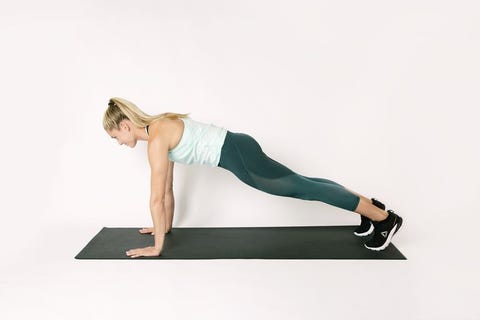
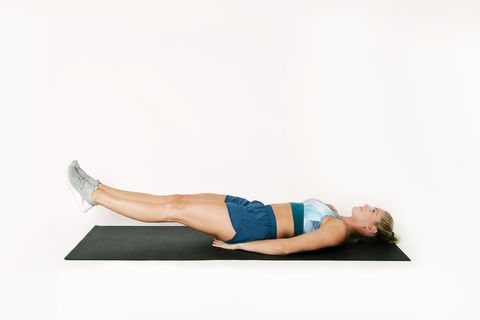
Top 20 Bodyweight Exercises
These Bodyweight Exercises are a part of a program designed by Jordan Carter of Gear Hungry - They are fully trained specialists in this are and we have asked you to read there data to give you a better understanding of the variety of exercises that are available to you for Bodyweight Strength training . In these exercises you may need some light weights - easy t get a hold off from Kmart or the local Rebel Sports Store. Be sure to click on the image and come back when you are completed.
Resistance Training vs. Free Weights—What Should I Do?
Resistance Training vs. Free Weights—What Should I Do?
It needs to stated that all weight training or fitness centres are each in their own way great facilities that house to often dozens if not more different types of fitness equipment to help their members meet their fitness goals—
Whether those members are intent on building muscle, cutting weight or increasing cardio endurance.
However, one minor drawback to having a wide variety of state-of-the-art equipment in the facility is that members sometimes find themselves overwhelmed trying to figure out which equipment they should use to reach their goals.
To help, here are some pointers!
I find that resistance training is the most common type of training members utilize when coming to the SRWC. In this type of training, members move their arms and legs against a force, or a resistance, to activate their muscles to increase their muscular strength or endurance. One main question that is repeatedly asked during resistance training is whether members should use free weights (i.e. dumbbells, barbells and kettle bell) or instead use exercise machines (i.e. leg press machine, chest press machine and lateral pull-down machines). Both free weights and resistance machines have their pros and cons when it comes to being used for training; however, both will help with muscle activation. Resistance machines can be more beneficial for members who are just beginning to work out and are new to the gym scene. Since machines have a fixed axis, they only allow the operator to move in two directions or planes and have a fixed range of motions. This is great for new members who are just learning the particular exercise, since it allows them to focus their breathing and moving against the resistance during the exercise. This takes away the stress of having to focus on the mechanics of the movement and having to worry about dropping the weight on themselves.Free Weights allow movement
On the other hand, free weights allow members to be able to move in three dimensions, which occur in our daily life activities, such as moving forward, backward, horizontally and vertically—giving them a much greater range of motion to move through. A recent study by Illinois State University found that when attaching an IEMG to participants and having them perform a bench press with free weights and a resistance machine, there was far greater muscle activation in the pectorals muscle when performed with free weights. In conclusion, both free weights and resistance machines are beneficial in resistance training when trying to increase muscular strength and/or endurance. Resistance machines would be more beneficial for novice members since they have a fixed range of motion and are safer, while free weights are better for advanced individuals since it allows movement in more planes that are similar to movements we perform in daily life activities. Original Article by Mathew Harris Long Beach State Universityhttp://rugbyacademy.org.au/resistance-training-vs-free-weights-what-should-i-do/
Basic Strength Programs for Rugby
Explanation of the basic Programs for Rugby
As stated there are four (4) basic strength training programs – if there are more write to me ! As listed earlier they are- Hypertrophy Training - Bulking
- Strength Training – Pure Strength
- Power Training – Getting Fitter and Faster
- Endurance Training - Maintenance
Hypertrophy
Hypertrophy is, (by definition) the enlargement of a muscle by the process of increasing the size of the cells that are already there within that muscle. (Not to be confused with hyperplasia, the process of increasing the number of cells) When it comes to building bulk, hypertrophy doesn’t just happen on its own. It has to be triggered by a physiological need. Hypertrophy is often thought of as a thickening of muscle fibers, which occurs when the body has been stressed (trained) just the right amount to indicate that it must create larger, stronger muscles that can tolerate this new, increased workload. This need causes a cellular response, leading to cells synthesizing more materials. For muscles to grow, two things have to happen: stimulation (strength training) and repair. (Rest and recovery, Nutrition and Massage) Dormant cells called satellite cells, which exist between the outer and basement membranes of a muscle fiber become activated by trauma, damage or injury — all possible responses to the stress of weight training. Your immune system response is triggered, leading to inflammation, the natural clean up and repair process that occurs on a cellular level. ( You must read about DOMS – Delayed onset of Muscle Soreness) Concurrently, a hormonal response is triggered, causing the release of growth factor, cortisol, and testosterone. These hormones help regulate cell activity. Growth factors help stimulate muscle hypertrophy while testosterone increases protein synthesis. This process leads to satellite cells multiplying and those cells migrating to the aid of the damaged tissue. It is at this point that they fuse with skeletal muscle and donate their nuclei to the muscle fibres helping them thicken and grow. The result, in plain English: larger muscles with improved tolerance to larger loads. Special Note: In Plain English – to gain larger muscles we must first break up the cells of the existing muscle , as it repairs it recruits additional cells so where there was one cell there is two or more and so the muscle grows in size and strengthStrength Training – Pure Strength
Pure strength is a different form of strength training It is often referred to as low-speed strength, the goa is to lift maximal or submaximal loads from point A to point B. Moving weight at a moderate speed is recommended, since the goal is to develop a high level of overall body strength with heavy loads. Power, something we talk about later, relies almost exclusively on speed of the lift. Pure strength athletes, or those in need of more strength for their sport, are interested in performance, period. Methods for increasing strength overlap somewhat with hypertrophy training, specifically regarding progression, but the goal here is purely performance based. Strength enthusiasts will commonly refer to percentages of max efforts or percentages of reps max (%RM). A reminder that this is the maximum amount of weight lifted for a specified number of reps (XRM – X being the number of reps). Once that number is identified, a percentage of that maximum amount of weight lifted is used for training purposes. For example, if a lifter has a one-rep max bench press of 400lb and wants to train with 90% of his max weight, he will train with a load of 360lb (.90% x 400). Ask yourself where does strength training come into the game of rugby and I have no doubt that you will find any number of areas of the game, tackling, grappling, jackling over the ball requires lower and upper body strength. It has a clear place in the game.Power Training – Getting bigger, faster and stronger
Power training, also referred to as high-speed strength, can take many forms depending on the goals of the individual and the demands of rugby union. The goal of any player is to move a heavy oad at high velocity (speed). Training for Power is often associated with the Olympic lifts. However, power training encompasses many other forms of training such as jumps, medicine ball throws, dumbbell swings, rope exercises and any exercise that focuses on speed of the weight being lifted, pulled, pushed, rather than the weight itself. Another common belief is that power relies only on heavy weight being moved at maximum velocity. For example, an individual may perform a clean with 90% of their 1RM for 2 reps. However, another way to develop power is to use a rather low percentage of their 1RM, such as 20% to 30%, and perform a higher number of reps using a more restrictive exercise such as a bench press. Power training is another performance-based protocol focusing on percentages of rep maxes and speed that the equipment is used, pushed, pulled or lifted. This method is a complement to pure strength training, in that strength training will provide stability and whole-body strength, while power will increase the rate of muscle fibre recruitment. Allowing the athlete to work faster and harderStrength - Endurance training – Maintenance
This is not the type of endurance training that requires us to run , swim, cycle for kilometre after kilometre. It is the type of training that requires us to maintain muscle size at the same time retaining strength and power outputs. There is much discussion with regard to the average rugby player and his In season maintenance training and how that fits into our rugby training program. There is some thought that we should divide the week into two or three sessions and in turn divide those into one session of hypertrophy training and the other into Power Training. Personally I favour the other option , where a player divides the month into separate sessions and tries to fit in at least 6 to 8 sessions per month . These should be based around your playing workload. Train hard when you are not playing hard – and we all have games where we know that they are or could be easy games. Or train hard during a bye weekend. Holiday period or when injured (injury allowing) The simple answer would be :Taking 8 sessions per month Two sessions on Hypertrophy Three Sessions on Strength Three sessions on Power training Take the sessions form your previous programs, keep testing your 1RM or 3RM maximums to ensure that you know where your current weights lifted are at:.Rep Maximums
A word of warning to all rugby players , from 14 upwards and whether you are doing body weight training, free weights training or machines . Under 18 and Below should never use the 1RM (one rep maximum) as there guideline. We need to avoid damaging the growth plates in your bodies and excess weight lifts etc can do that easily. 3RM: 3rep maximum should be used as a starting point, and that means the amount of weight you can lift, push, pull Three (3) times for each exercise nit one but three times. Yes you may grow slightly slower, but you will still be strength training into your forties and fifties without pain and damage.http://rugbyacademy.org.au/basic-strength-programs-for-rugby/
Strength Training for Kids
Right of the bat I am going to make this statement : Strength training is not weight training or bodybuilding or power lifting - it is the bodies ability through the use of Bodyweight Exercises , Machine Weights or Free weights to add strength to your body - Yes e advocate that kids can complete Strength training but not any of the above.
Strength training: OK for kids?
Strength training offers kids many benefits, but there are important caveats to keep in mind. Here's what you need to know about youth strength training.
By Mayo Clinic Staff
Strength training for kids? You bet! Done properly, it offers many benefits to young athletes. Strength training is even a good idea for kids who simply want to look and feel better. In fact, this form of exercise might put your child on a lifetime path to better health and fitness.
Strength training, not weightlifting
Don't confuse strength training with weightlifting, bodybuilding or powerlifting. Trying to build big muscles can put too much strain on young muscles, tendons and areas of cartilage that haven't yet turned to bone (growth plates) — especially when proper technique is sacrificed in favor of lifting larger amounts of weight.
For kids, light resistance and controlled movements are best — with a special emphasis on proper technique and safety. Your child can do many strength training exercises with his or her own body weight (read the information on Body Weight training) or inexpensive resistance tubing. Free weights and machine weights are other options.
For kids, what are the benefits of strength training?
Done properly, strength training can:
- Increase your child's muscle strength and endurance
- Help protect your child's muscles and joints from sports-related injuries
- Help improve your child's performance in nearly any sport, from dancing and figure skating to football and soccer
- Develop proper techniques that your child can continue to use as he or she grows older
- Strengthen your child's bones
- Help promote healthy blood pressure and cholesterol levels
- Help your child maintain a healthy weight
- Improve your child's confidence and self-esteem
- Consult a professional.Start with your coach or personal trainer who has experience with youth strength training. The coach or trainer can create a safe, effective strength training program based on your child's age, size, skills and sports interests. Or enroll your child in a strength training class designed for kids. (refer to the strength training section of this website)
- Warm up and cool down.Encourage your child to begin each strength training session with five to 10 minutes of light aerobic activity, such as walking, jogging in place or jumping rope. This warms the muscles and prepares them for more-vigorous activity. Gentle stretching after each session is a good idea, too.
- Keep it light.Kids can safely lift adult-size weights, as long as the weight is light enough. In most cases, one or two sets of 12 to 15 repetitions are enough. Resistance doesn't have to come from weights. Resistance tubing and body-weight exercises, such as pushups, are other effective options.
- Emphasize proper technique.Form and technique are more important than the amount of weight your child lifts. Your child can gradually increase the resistance or number of repetitions as he or she gets older.
- Don't let your child go it alone. Adult supervision by someone who knows proper strength training technique is important.
- Rest between workouts.Make sure your child rests at least one full day between exercising each specific muscle group.
- Stretching and Flexibility. It is one of the least done and yet it is the most important element for kids and youth rugby players . Stretching provides for flexibility and in turn reduces some of the strains and pains that we get when growing. Remaining flexible aids in recovery. prevents injuries in the game when twisted , turned incorrectly . (Read how to stretch and what to stretch (new section on this site)
- Keep it fun.Help your child vary the routine to prevent boredom.
Use Technology to Enhance Your Fitness Program
Use Technology to Enhance Your Fitness Program
As a millennial, You have been conditioned to look at your phone almost constantly. In some cases you have bought into the fit bit regime of watches or even gone as far as the Apple watches, whether that be for the phone elements or simply for the fitness apps . In most cases we have downloaded a app on to our phones that provides us with the steps we take, walking , running, climbing stairs, some will do the cycling, or swimming mileage. You may even have gone as far as tracking your diet or food and nutrition intake, water etc. There are dozens of them and you need to find one that suits you- In fact you can even load up your strength training program and record how well you did and how you felt after each session. As stated technology has grown and advanced quickly, but that’s not a bad thing—we should embrace its advantages and use them to our benefit. Here are four more ways technology can improve your fitness:- Listening to your own play list:Many studies show that when listening to a custom play list, people claim to have better workouts. When the right song comes on during a tough workout , you can power through the last few sets.
- Tracking Heart Rate:This is especially helpful for endurance athletes and weight loss activities. Whether you’re trying to increase your oxygen uptake or stay in your optimal fat burning heart rate zone, using heart rate monitors can help you dial in your workout to the exact temperature you need for your goals.
- Tracking Nutrition:Today, everyone is counting calories or macronutrients; with phone and computer apps, it’s easy to keep track of these.
- Tracking Distance/Steps:10,000 steps a day is becoming the gold standard. Using a smart watch or pedometer is an easy way to increase your daily activity. For students or people with sedentary jobs, taking those extra steps can make a significant difference.
- You may need to decrease the program if you have at the beginning over estimated your ability to complete it. This could be due to injury, work related activities stopping you from training.
- Underestimated your rapid growth and the results reflect that allowing you to upgrade the program.
http://rugbyacademy.org.au/use-technology-to-enhance-your-fitness-program/
Subscribe to:
Posts (Atom)